Repairing a Bridge to Ensure Safety and Longevity
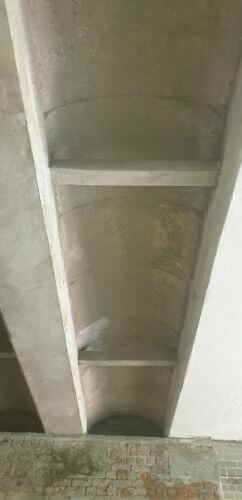
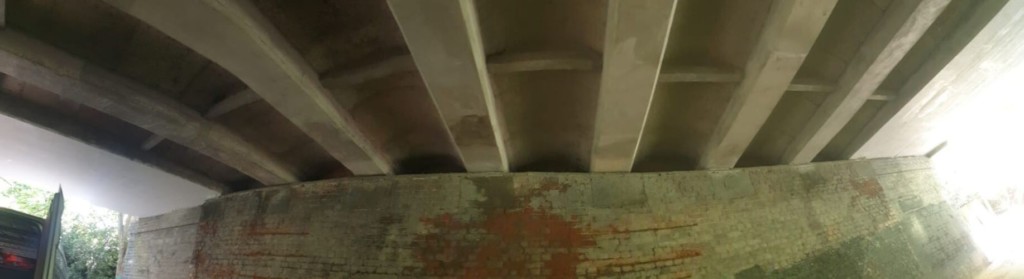
In infrastructure development, maintaining the integrity of bridges is essential for safety and longevity. A recent project in London highlighted Total Specialist Maintenance’s (TSM) expertise in repairing a bridge for a highways contractor dealing with significant chloride and carbonation attack issues.
The Challenge
The contractor required urgent repairs to a bridge that had been compromised by both chloride and carbonation damage. This deterioration posed serious risks to the structural integrity of the bridge, necessitating a comprehensive and immediate solution. Key challenges included:
- Assessing Damage: Thoroughly evaluating the extent of the chloride and carbonation damage to ensure all affected areas were identified and addressed.
- Restoring Structural Integrity: Implementing a repair strategy that would not only restore the bridge’s structural integrity but also enhance its durability against future environmental threats.
The Solution
To address these challenges, TSM partnered with Fosroc to implement an effective repair strategy that included several critical steps:
- Breaking Out Defective Concrete: The initial phase involved removing all damaged concrete to prepare the surface for effective repairs. This step was crucial to ensure that only sound material remained for the restoration process.
- Grit Blasting: After removing the defective concrete, grit blasting was employed to eliminate existing coatings and contaminants from the steel reinforcement. This process ensured optimal bonding for the subsequent repair materials.
- Priming the Steel Reinforcement: TSM applied a zinc-rich primer to the cleaned steel reinforcement. This primer enhances protection against corrosion, providing a critical barrier that extends the lifespan of the reinforcement.
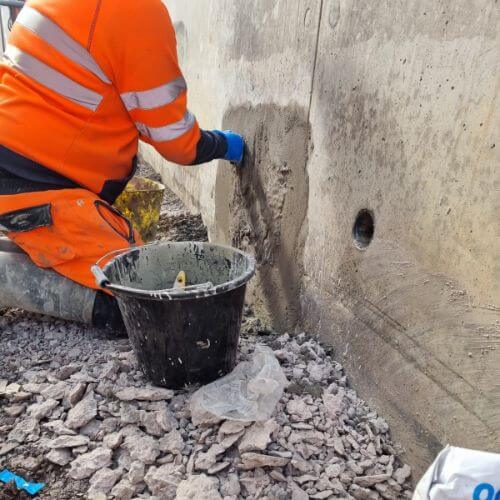
- Repairing the Structure: For the actual restoration, TSM utilised Fosroc Renderoc HB 45 concrete repair mortar. This specialised mortar was chosen for its high performance in repairing structural elements, ensuring effective restoration and durability.
- MCI Impregnation Coating: To provide additional protection against chlorides, TSM applied an MCI (Migrating Corrosion Inhibitor) impregnation coating. This step is essential for preventing future corrosion and prolonging the life of the structural elements.
- Fairing Coat Application: TSM used Fosroc Renderoc ST 05 to level and smooth the concrete sections of the bridge. This fairing coat not only improved the appearance of the surface but also helped in achieving a uniform finish.
- Anti-Carbonation Paint System: Finally, TSM finished the project with Fosroc Dekguard W, an anti-carbonation paint system. This protective layer is vital for preventing carbonation, which can lead to further deterioration of the concrete structure.
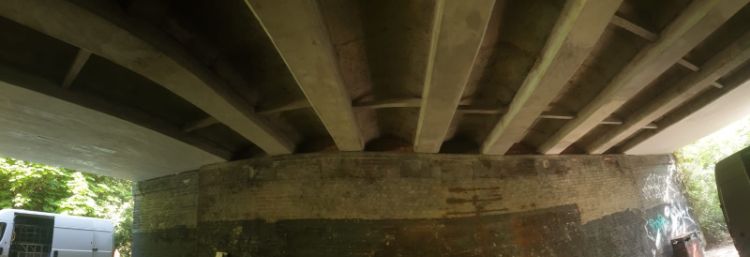
- Stitching of Brickwork: To reinforce the bridge’s brickwork, TSM implemented stitching techniques to ensure long-lasting stability. This additional step was crucial for maintaining the integrity of the brick structure and enhancing overall durability.
Project Management Excellence
TSM’s project management team effectively coordinated all aspects of the repair process, ensuring that the work was completed efficiently and within the specified timeline. Their commitment to quality control and adherence to safety protocols played a significant role in the successful execution of this project. Regular communication with the contractor ensured that expectations were met throughout the process.
Environmental Considerations
Throughout the project, TSM prioritised the use of environmentally friendly materials and methods. The selected solutions were designed to minimise environmental impact while providing superior protection and durability.