The Value of Protective Linings for Reservoirs and Other Potable Water Structures
Potable water infrastructure plays a critical role in the collection, storage, and delivery of safe drinking water, but their function is compromised without reliable protection for their long-term condition.
Over time, structures such as reservoirs, elevated water towers, Braithwaite tanks, and contact tanks are exposed to a range of physical, chemical, and environmental stresses that can degrade both their integrity and the quality of the water they contain.
The application of protective linings is an effective and proactive way to protect these vital assets. The primary reason for lining is typically containment, but the benefits go far beyond simply holding water. These linings contribute to hygiene, compliance, longevity, and environmental protection—and when installed correctly using DWI-approved products, they also ensure the safety and purity of the drinking water supply.
The importance of containment
The most immediate and essential reason to apply a lining to any potable water structure is to maintain effective containment. Over time, even small defects in concrete, steel, or sectional tank materials can lead to seepage or leakage. In the case of Braithwaite tanks, for example, joints and panel edges are particularly vulnerable to corrosion and wear, which can compromise watertightness.
A protective lining forms an impermeable, seamless barrier that ensures water remains securely within the structure, reducing the risk of contamination from external sources and preventing water loss—both critical in maintaining service continuity and operational efficiency.
The hidden risk of substrate degradation
Potable water structures are often constructed from concrete, steel, or galvanised panels, all of which are susceptible to degradation over time. This degradation can lead to pitting, cracking, or surface delamination, allowing bacteria and other microorganisms to harbour in rough, porous areas.
This poses a significant hygiene risk in potable water systems. Protective linings not only protect the underlying substrate but also create a smooth, cleanable surface that discourages bacterial growth and biofilm formation.
In contact tanks—where water is held for disinfection prior to distribution—maintaining a hygienic environment is particularly crucial. Lining these tanks ensures that water quality is not compromised during the final stage of treatment.
Extending the life of critical infrastructure
Replacing or rebuilding water infrastructure is not only costly but also logistically disruptive. In many cases, ageing assets such as steel water towers or sectional Braithwaite tanks may still be structurally sound, but require internal refurbishment to remain compliant and operational.
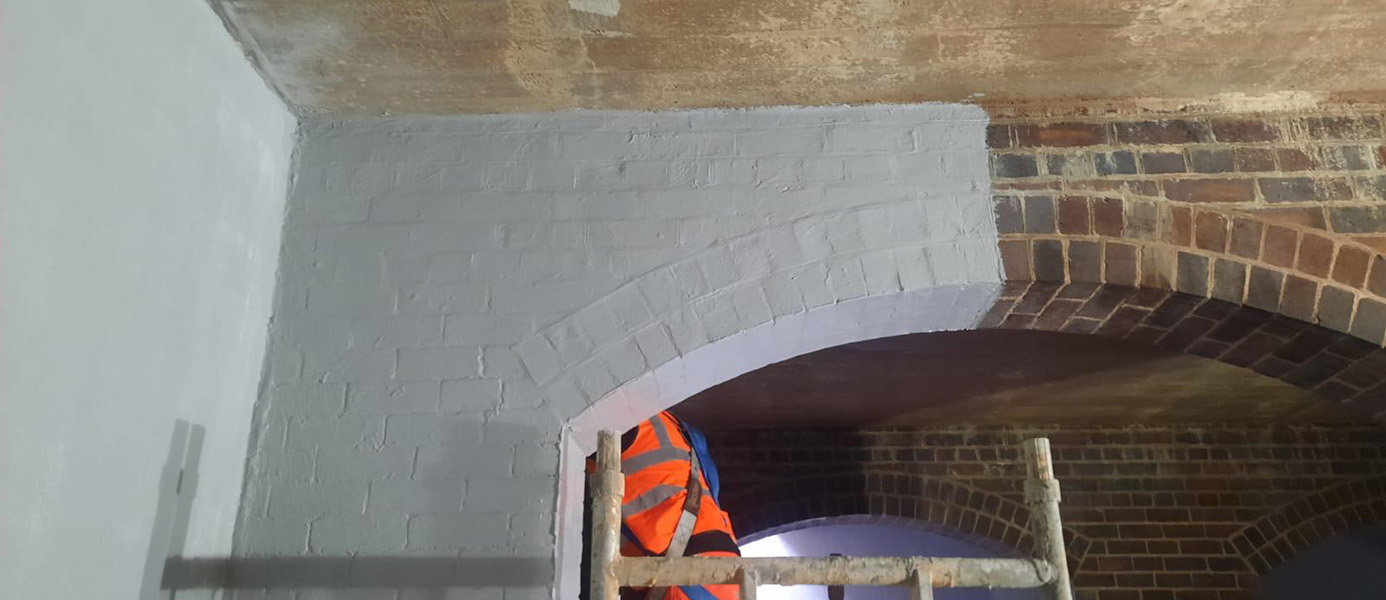
Installing a protective lining is a proven method of extending the asset’s life without the need for complete replacement. These systems protect against further corrosion, reduce wear and tear, and restore the structural performance of the tank or reservoir.
This is particularly advantageous for legacy infrastructure in remote or high-risk areas, where full reconstruction would be technically or financially prohibitive. A high-quality lining system can add 10 to 20 years of additional service life, delivering strong return on investment while minimising downtime.
Versatility across multiple structure types
Protective linings are not a one-size-fits-all solution—they can be tailored to suit the specific needs of various potable water structures:
Reservoirs
Large-scale concrete reservoirs benefit from linings that accommodate movement, resist hydrostatic pressure, and maintain a sterile environment.
Water Towers
Steel tanks at height require coatings that can withstand external weather exposure and internal corrosion, while still meeting potable water standards.
Braithwaite Tanks
These modular, galvanised steel tanks often suffer from corrosion at joints and bolt. Linings provide full internal protection and maintain tank performance.
Contact Tanks
Hygiene is paramount in these treatment tanks—linings must be chemically inert and resistant to chlorine-based disinfectants, with easy-to-clean surfaces.
Environmental and operational compliance
Environmental regulations and operational standards for potable water storage have become increasingly stringent in recent years. Structures must not only prevent leakage but also avoid contributing to contamination through material degradation or chemical interaction.
Applying protective linings helps meet these standards, particularly when the lining systems used are approved under Regulation 31 of the Water Supply (Water Quality) Regulations. These DWI (Drinking Water Inspectorate)-approved products are rigorously tested to ensure they do not leach harmful substances or affect the quality of drinking water in any way.
Regulation 31: Lining Systems for Public Water Supplies
Under Regulation 31 of the Water Supply (Water Quality) Regulations, any lining system used in contact with public drinking water must either be approved by the Secretary of State or meet strict criteria proving it won’t compromise water quality. Materials and application methods must be approved or shown to be safe for drinking water use.
Linings must not affect taste, odour, microbial growth, or introduce contaminants. Standards like BS 6920 may apply to verify safety and limits may exist for parameters such as iron, manganese, colour, and odour.
It’s essential to use a specialist installer that uses approved products listed on the DWI website and follows product-specific guidance for installation, disinfection, and maintenance. Expert installers can support the assessment of risks to water quality from any lining system.
Using Regulation 31-approved products isn’t just best practice – it’s a legal and safety requirement. Using unapproved products is a criminal offence. Any maintenance or refurbishment works that involve internal coatings or linings must maintain Regulation 31 compliance to avoid introducing any risk to public health.
Preventative protection in new construction
While linings are often used in refurbishment and remedial works, they are equally beneficial as a preventative measure during new construction. Installing a protective lining at the build stage ensures the structure is protected from the outset, reducing the risk of early-stage degradation or failure.
This approach is especially valuable in areas with aggressive water chemistry, high temperature fluctuation, or where future inspection access may be limited. Designing the lining into the build phase also ensures that DWI compliance is maintained without the complications of retrofitting later on.
The long-term value of investment in linings
In an era of increasing regulatory oversight, ageing infrastructure, and growing demand for clean drinking water, protective linings provide a reliable way to safeguard potable water systems.
Whether you’re managing a large concrete reservoir, refurbishing a sectional steel tank, or designing a new potable water contact facility, the application of a protective lining is a smart investment in safety, performance, and longevity. It can prevent the need for regular patching, recoating, or even shutdowns for deeper remedial works. Failures in water storage systems can lead to emergency repairs and widespread disruption caused by temporary loss of water supply.
Investment in high-quality chemical resistant linings pays off by extending asset lifespan, reducing repair cycles, lowering labour and material costs over time, and avoiding regulatory fines for contamination or non-compliance.
Need more advice?
Total Specialist Maintenance are experts in the application of chemical resistant linings for reservoirs and other potable water structures.
For further guidance, please contact our team on 0115 7788661 or info@totalsm.co.uk