Defects in clean water assets are rarely straightforward. Leaks often develop unnoticed, deterioration can progress for years before becoming visible, and the consequences extend well beyond the asset itself. Water loss, increased operating costs and potential risks to water quality all place additional pressure on ageing infrastructure. As water companies continue to maximise the life of existing assets, specialist inspection, diagnosis and refurbishment have become increasingly important. Jack Rowe-Foley, Preconstruction & Principal Design Manager, explores the challenges facing clean water infrastructure and the expertise required to address them.
Maintaining clean water assets presents a unique set of challenges. Unlike many civil structures, deterioration is not always visible, and by the time signs appear, defects may already be well established.
Across service reservoirs, clear water tanks, contact tanks and water towers, problems can develop from cracked concrete, defective joints, failed waterproofing systems or deterioration at construction interfaces. While some defects may initially appear superficial, they often indicate wider durability or structural issues that require further investigation.
Leakage remains one of the most common and costly issues. Water can escape through fine cracks, failed joints or compromised waterproofing systems, often travelling through surrounding ground or concealed structural elements without producing any obvious surface evidence. As a result, assets can continue losing treated water for extended periods before the problem is identified.
Across large asset portfolios, even relatively minor leaks can have a significant cumulative impact. Every litre lost has already undergone treatment and pumping before it leaves the system, creating both operational and financial consequences.
For Asset Managers and Capital Maintenance teams, the challenge is to understand the mechanism behind the defects and implementing the right intervention before deterioration becomes more extensive, disruptive and expensive to address. This is where specialist inspections, condition assessments and diagnostic expertise become particularly valuable.
Understanding the Cause Before Selecting the Solution
No two assets deteriorate in exactly the same way, even when the visible symptoms appear similar.
Common concrete defects include cracking, spalling, loss of cover, surface degradation and reinforcement exposure. Once reinforcement becomes exposed to moisture and oxygen, corrosion can develop. As corrosion products expand, internal pressures are generated within the concrete, leading to further cracking, delamination and loss of durability.
Effective repairs need to do more than improve appearance. Unless the root cause is identified and addressed, defects will often return. Successful remediation should restore durability, protect embedded reinforcement and, where necessary, reinstate structural performance.
Selecting the correct repair strategy depends on a number of factors, including the defect type, its extent, the condition of the surrounding structure and the future performance requirements of the asset.
Concrete Repair and Reinstatement
Concrete repairs are commonly used to address cracked, damaged or deteriorated concrete, including defects associated with reinforcement corrosion.
When specified and installed correctly, repairs can restore concrete cover, improve durability and reinstate structural capacity where necessary. The extent of repair should always be based on condition assessments rather than simply targeting isolated areas of visible damage.
Resin Injection
Resin injection provides an effective method of sealing cracks and, in certain applications, restoring continuity within a structure.
However, not all cracks should be treated in the same way. Crack width, depth, movement characteristics and the presence of water must all be understood before selecting the appropriate injection material and methodology. Choosing the wrong system can lead to ongoing leakage or premature failure.
Joint Rehabilitation
Construction joints, movement joints and service penetrations are often among the most vulnerable areas within clean water structures.
Over time, joint materials can deteriorate, lose flexibility or become damaged, creating routes for leakage or water ingress. Successful joint rehabilitation requires an understanding of both the defect and the intended function of the joint, particularly where cyclical movement or thermal expansion must still be accommodated.
Protective Coatings
Protective coatings play an important role in extending the life of concrete assets. They can provide resistance against moisture ingress, chemical attack, abrasion and environmental exposure while improving the overall durability of the structure.
Within potable water environments, coating systems must also be suitable for contact with drinking water and meet the relevant approval requirements.
Waterproofing Refurbishment
Where waterproofing systems have reached the end of their service life, isolated repairs may not always provide a long-term solution.
Depending on the asset and the source of failure, refurbishment may involve repairs or replacement of membranes, roof waterproofing systems, tank linings or other protective elements. The objective is not only to prevent water ingress but also to reduce water loss and protect the structure itself from further deterioration.
Each of these repair techniques serves a specific purpose. They are not interchangeable, and applying the wrong solution can be just as problematic as carrying out no repair at all. Repair strategies must be driven by an understanding of the defect mechanisms affecting the asset, rather than focusing solely on the visible symptoms.
Protecting water quality throughout the refurbishment process
Working on potable water assets introduces additional considerations beyond those associated with conventional structural repair.
The presence of deterioration does not automatically mean contamination has occurred. However, defects can create pathways that increase the potential for unwanted substances to enter an asset.
Defective roofs, failed joints, damaged penetrations and deteriorating interfaces can all provide opportunities for groundwater, surface water, debris or microorganisms to gain access. Likewise, exposed reinforcement and deteriorating concrete can create durability concerns that require careful assessment.
Material selection is equally important. Inappropriate repair products can affect water quality through leaching, elevated pH levels or the release of unwanted substances. Every component introduced into a potable water environment must be suitable for its intended application.
Refurbishment activities therefore require strict hygiene controls throughout the project lifecycle. Personnel, equipment, construction materials and working practices all need to be managed to minimise contamination risks.
In England and Wales, Regulation 31 of the Water Supply (Water Quality) Regulations establishes approval requirements for products and substances used in contact with drinking water. Compliance is a critical part of project delivery and helps ensure works do not adversely affect water quality or consumer safety.
The refurbishment process must also incorporate cleaning, disinfection and verification procedures before assets are returned to service.
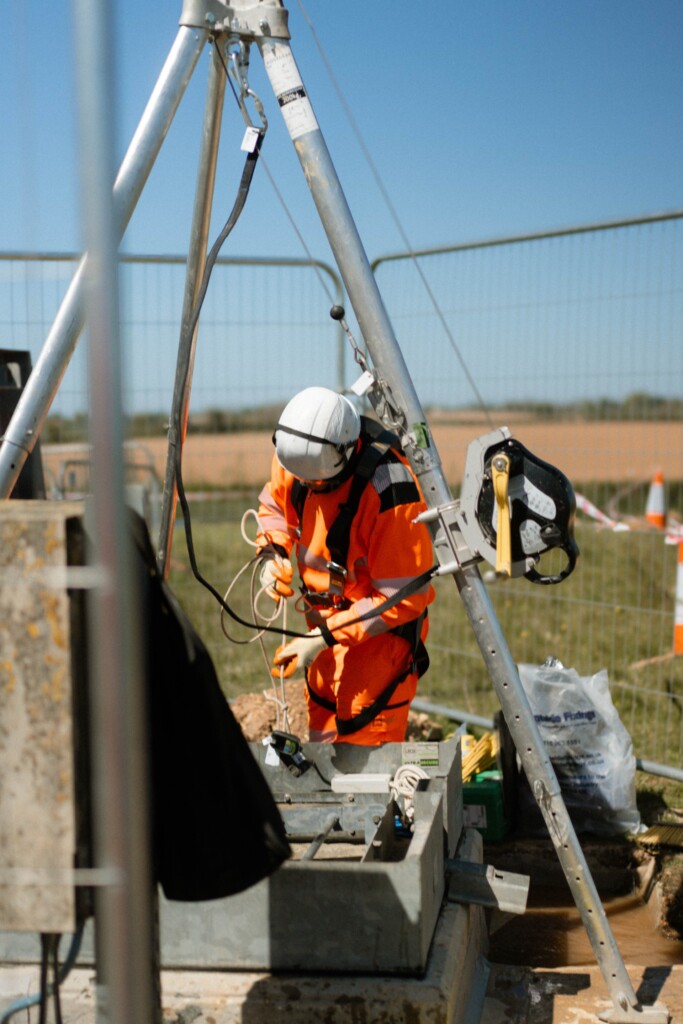
Many clean water structures present additional access challenges, with confined-space working being commonplace. This introduces further planning requirements around personnel competence, emergency arrangements, rescue procedures and overall site management.
For specialist contractors, delivering a technically sound repair is only part of the challenge. The finished work must also meet the stringent hygiene, safety and water-quality requirements associated with potable water infrastructure.
Delivering consistently across complex asset portfolios
For most water companies, refurbishment programmes extend far beyond individual projects.
Work is often spread across multiple sites, asset types and operational regions, requiring careful coordination with inspection programmes, outages and wider maintenance activities.
Technical capability alone is not enough. Delivering refurbishment programmes efficiently also requires robust planning, resource availability and the ability to maintain consistent standards across multiple locations.
Factors such as access restrictions, logistics, material lead times, workforce competence and operational constraints all have a direct impact on programme performance.
Many interventions must also be delivered within live operational environments, where taking assets out of service can be difficult and costly. In these situations, repair solutions that reduce programme duration, minimise curing times or simplify installation can help reduce operational disruption.
Water companies therefore need delivery partners capable of combining technical expertise with practical site delivery, programme management and resource flexibility. Reliability, consistency and evidence of quality are often just as important as the repair method itself.
The Value of Directly Employed Specialist Teams
The people carrying out refurbishment work have a significant influence on quality, consistency and long-term performance.
Directly employed, multi-skilled teams often provide greater continuity throughout the project lifecycle. Familiarity with potable water environments, repair methodologies and sector-specific requirements helps maintain standards and improve coordination between different work activities.
Where a single team can undertake multiple complementary disciplines, there is less reliance on managing several subcontractors across different stages of the project. This can improve efficiency, simplify planning and provide greater flexibility when site conditions change.
This approach is particularly beneficial where projects involve several interconnected activities, such as concrete repair, resin injection, joint rehabilitation and protective coating systems.
However, capability must be backed by competence. Contractors should be able to demonstrate relevant experience, specialist training, robust quality management systems and a proven track record within the sector.
For Asset Managers assessing delivery partners, the questions are often straightforward:
- Does the contractor have relevant experience within potable water infrastructure?
- Are operatives trained and competent in the required repair techniques?
- Can resources be mobilised when required?
- Are quality standards applied consistently?
- Can delivery performance be demonstrated with evidence?
Recognising the specialist nature of potable water refurbishment, TSM launched its dedicated Clean Water Team in 2025. The team focuses specifically on the inspection, repair, protection and refurbishment of clean water assets, delivering services including concrete repair, structural crack injection, waterproofing, joint sealing, protective coatings and roof waterproofing systems.
Maintaining a dedicated team ensures the unique requirements of clean water projects remain central to planning and delivery, from material selection and hygiene controls through to operational constraints and asset-specific repair strategies.
TSM also operates a specialist Recycled Water Team, recognising that while certain technical skills are transferable, wastewater infrastructure presents a different set of operational challenges, risks and treatment requirements that demand their own expertise.
Creating Long-Term Value Through Planned Refurbishment
The benefits of effective maintenance go far beyond addressing isolated defects. Planned inspection programmes and targeted refurbishment strategies enable water companies to identify deterioration before it becomes critical, allowing investment to be directed where it will deliver the greatest benefit.
Maintaining joints, waterproofing systems, concrete structures and protective coatings helps preserve asset performance, reduce avoidable water loss and minimise the likelihood of costly reactive repairs.
Importantly, the cheapest repair option is not always the most economical in the long term. Premature failure, repeat maintenance and operational disruption can quickly outweigh any initial savings achieved during project delivery.
By combining condition-led maintenance with targeted refurbishment, water companies can make more informed investment decisions, extend asset life, optimise maintenance budgets and reduce the risk of unexpected failures.
A specialist Approach to Clean Water Asset Integrity
Clean water assets perform a vital role in delivering safe, reliable drinking water to customers every day. Maintaining these structures demands accurate diagnosis, sound engineering judgement, specialist technical expertise and a thorough understanding of the operational environment in which they function.
When deterioration is identified early and addressed using the right techniques, water companies can reduce water loss, improve asset reliability and maximise the service life of existing infrastructure.
As investment pressures continue to grow across the sector, the ability to combine inspection, diagnosis, repair and refurbishment within a single specialist delivery model can provide
significant advantages. The most successful maintenance strategies are those built around the specific condition, operational demands and long-term requirements of each asset, rather than relying on a one-size-fits-all approach.
To find out more about TSM’s clean water infrastructure repair, protection and refurbishment services, contact our specialist team on 0115 7788661 or [email protected]