Across the built environment, reinforced concrete remains the backbone of modern infrastructure. Yet, as structures age and exposure conditions intensify, corrosion of embedded reinforcement poses an ever-growing risk. In aggressive environments such as marine structures, bridges, or multi-storey car parks, reinforced concrete faces a significant challenge: corrosion of the embedded steel reinforcement. Left unchecked, corrosion can lead to cracking, spalling, loss of load-bearing capacity, and ultimately structural failure. Traditional repair techniques often tackle the symptoms rather than the cause, leading to cycles of deterioration and remediation.
Cathodic protection (CP) has emerged as the definitive method of addressing this challenge at source. By preventing reinforcement from corroding, CP not only restores confidence in the structural integrity of assets but also demonstrates a forward-thinking approach to asset stewardship.
How Cathodic Protection Works
Cathodic protection prevents steel reinforcement from corroding by converting it into the cathode of an electrochemical cell. This is achieved either through:
· Sacrificial anode systems, where metals such as zinc or aluminium corrode preferentially, protecting the embedded steel.
· Impressed current systems, where a controlled electrical current is applied through inert anodes connected to a power source.
Both approaches work to suppress the natural electrochemical reactions that drive steel corrosion, extending the lifespan of structures in demanding environments.
Technical and Regulatory Guidance
In the UK and Europe, cathodic protection is governed by established standards and guidance documents to ensure systems are designed, installed, and maintained to a high level of safety and performance.
BS EN ISO 12696:2016 – Cathodic Protection of Steel in Concrete is the principal standard covering design, installation, commissioning, operation, and maintenance.
European Concrete Platform and IStructE recommendations emphasise corrosion monitoring and life-cycle planning, providing valuable additional reference points.
These frameworks highlight that cathodic protection is no longer a niche measure, but a mature, codified technology expected in critical infrastructure projects.
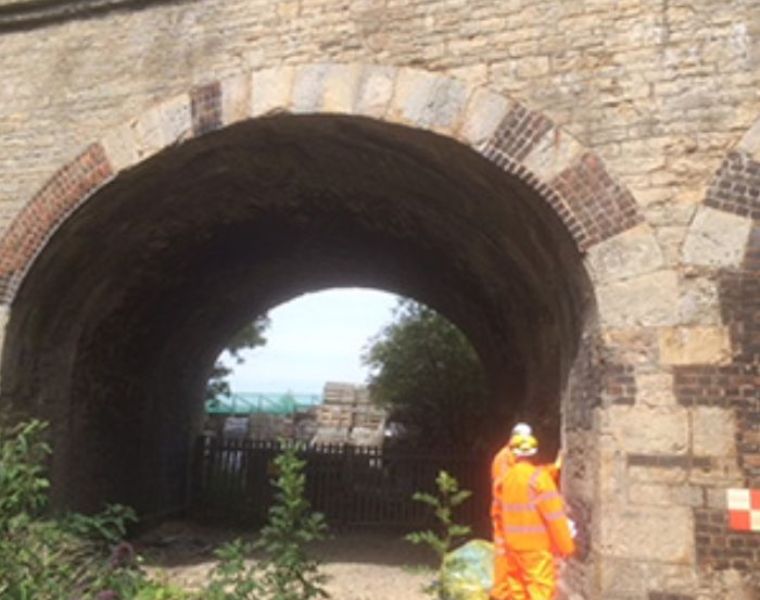
Leading asset owners, including Highways England and Network Rail, have embedded CP into their specifications for bridges, tunnels, and marine structures.
Designing for the Long Term
The effectiveness of cathodic protection lies in its adaptability. Whether using sacrificial anode systems or impressed current technology, solutions are tailored to the specific structure and service environment. Best practice requires a full assessment of factors such as chloride ingress, carbonation depth, and reinforcement condition prior to design, ensuring the system is both durable and effective.
Best practice in the implementation of cathodic protection involves several essential stages:
Comprehensive Assessment
Corrosion surveys identify the extent of deterioration, environmental exposure, and reinforcement condition.
Tailored Design
Selection of sacrificial or impressed current systems based on structure type, environment, and durability requirements.
Expert Installation
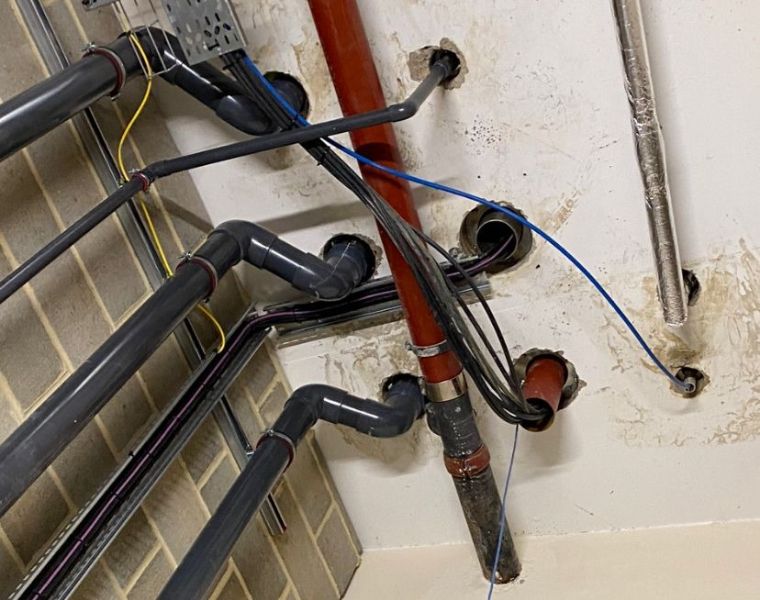
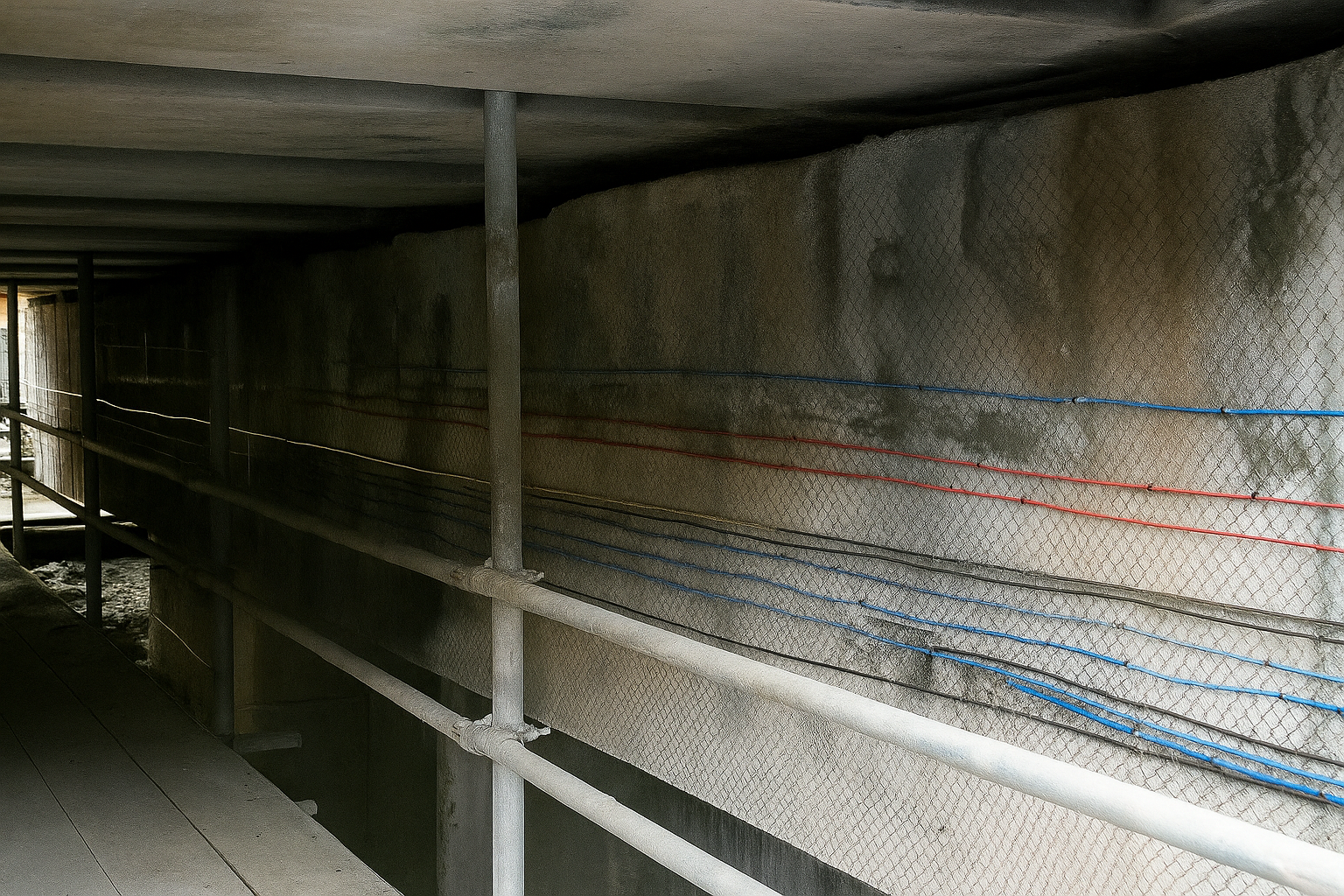
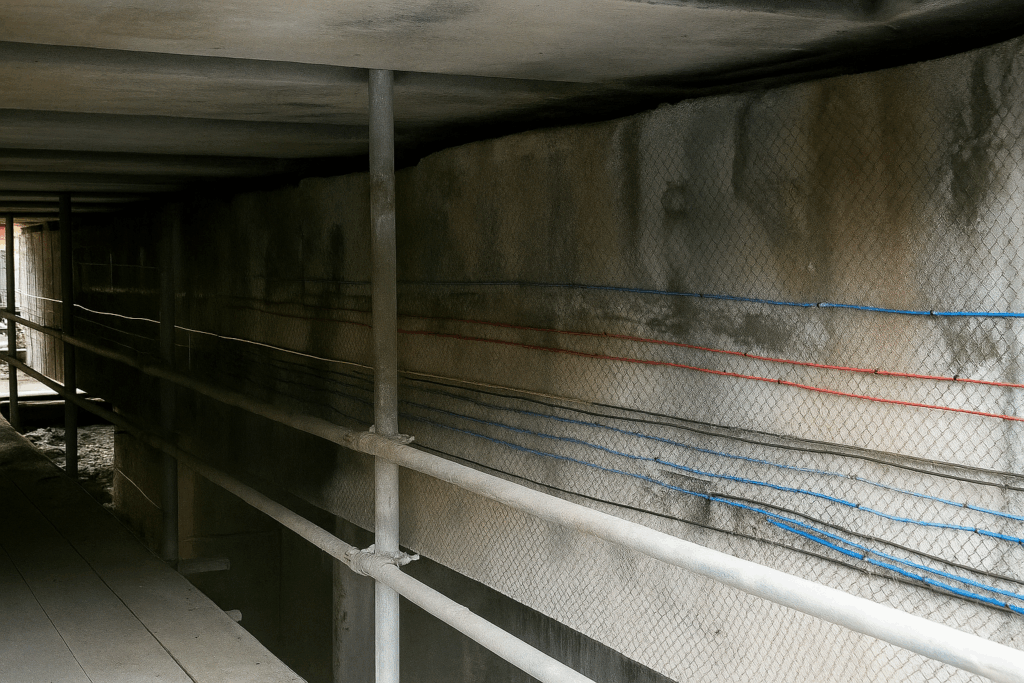
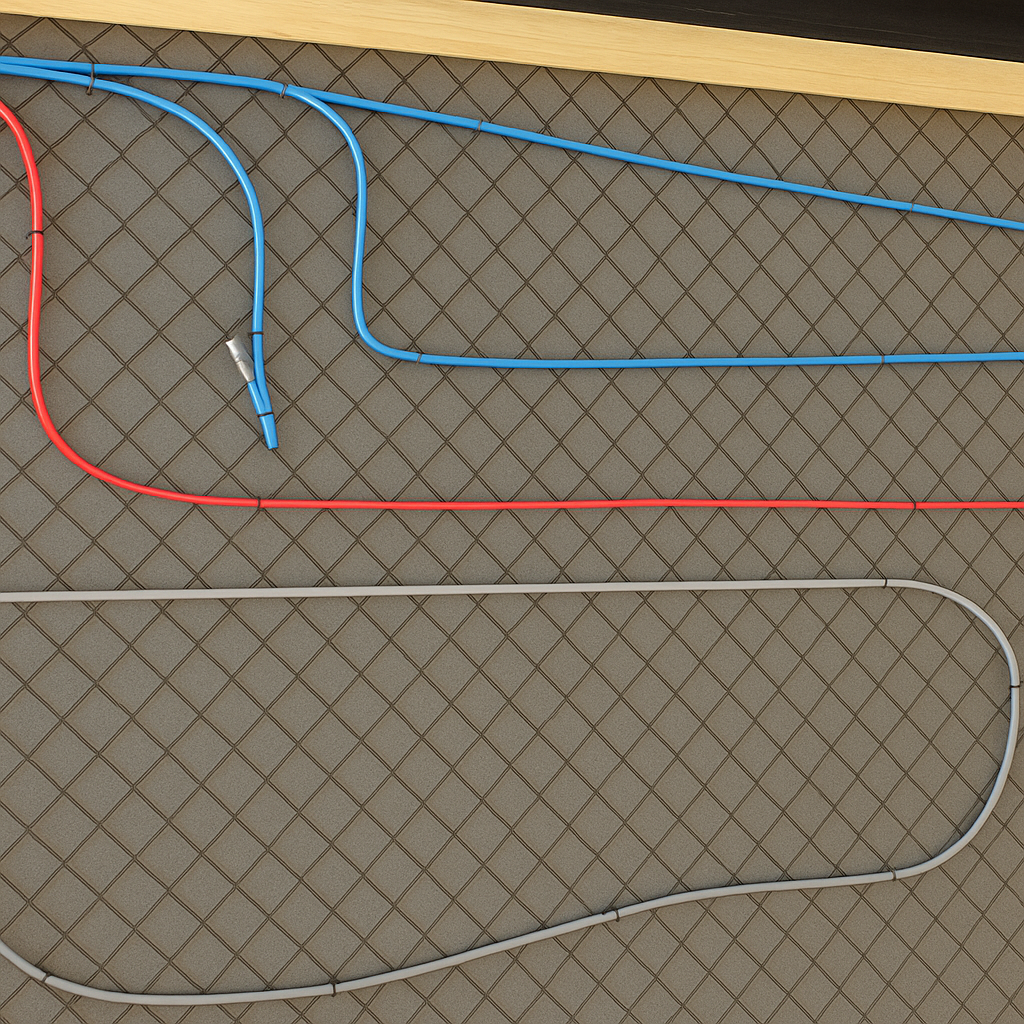
Proper placement of anodes, wiring, reference electrodes, and control units to ensure uniform protection.
Monitoring and Testing
Regular checks against standard criteria to verify that the system is providing adequate protection.
Maintenance and Repairs
Proactive servicing and component replacement to secure long-term performance and minimise whole-life costs.
By integrating these steps into their strategies, those responsible for managing assets can protect high-value structures, avoid disruptive emergency repairs, and significantly extend service life.
The Value for Asset Owners
For infrastructure managers, local authorities, and private owners alike, cathodic protection represents a strategic investment. By halting corrosion at its source, CP not only preserves structural integrity and safety but also delivers economic value by reducing the need for repeated concrete repairs.
While the financial case is compelling—avoiding recurring patch repairs and emergency interventions—the broader value lies in sustainability. By extending service life, CP reduces demolition waste, lowers the carbon burden of reconstruction, and aligns with the industry’s net-zero commitments.
In a sector increasingly focused on sustainability, cathodic protection maximises the service life of existing assets and reduces the carbon footprint associated with premature demolition and reconstruction.
An Essential Tool for Safety and Sustainability
Cathodic protection has become an essential tool in the preservation of reinforced concrete structures exposed to aggressive environments. When designed, installed, and maintained in line with international standards and industry best practice, it provides a proven method of safeguarding infrastructure for decades to come.
Incorporating cathodic protection into maintenance strategies secures the safety, durability, and value of critical structures well into the future.
The lesson is clear: adopting CP at the right stage can transform the life-cycle performance of reinforced concrete infrastructure.
Need more advice?
Total Specialist Maintenance are experts in the application and installation of cathodic protection.
For further guidance, please contact our team on 0115 7788661 or info@totalsm.co.uk