Senior Careers for Women in Construction: Insights from TSM
Construction has long been regarded as one of the UK’s most male‑dominated industries, particularly on-site, where women still represent only around 1% of the workforce. Women currently account for around 16% of the overall construction workforce in the UK. It’s a noticeable improvement from roughly 11% a decade ago, but progress remains gradual and only 5% of senior or director-level positions are held by women. In other words, representation in strategic leadership roles is still well behind many industries.
That said, there are signs of encouragement when you take a step back look beyond the headline figures. The broader operational, commercial and strategic framework that supports the industry is steadily evolving, with more women taking on roles that influence how businesses function and grow.
Redefining what leadership looks like
Successful construction depends on far more than what happens on-site. Operations, compliance, logistics, training, commercial development, marketing, and brand strategy are all essential to project delivery. These are areas where women are increasingly influential.
At TSM, this shift is reflected in the work of Natalie Taylor, our Office Manager. Natalie has been described as many things during her time at TSM: the heartbeat, the heart and soul, the driver, the engine, and the backbone to name a few. Those monikers reflect Natalie’s central role in maintaining TSM’s operational rhythm. She manages TSM’s vehicle fleet, coordinates breakdown responses, organises servicing schedules and ensures that inspections keep our teams safe, mobile and compliant.
She also oversees the organisation of training and certification, ensuring every qualification and safety requirement is up to date. What’s more, Natalie manages HR administration, payroll coordination and wellbeing support, all essential to ensuring a stable, supported and motivated workforce.

Reflecting on her experience, Natalie says:
“Construction is evolving, but visibility still matters. When people see women leading operational functions, it challenges outdated assumptions about who belongs in which roles. The industry is definitely gaining momentum in stepping away from old-school thinking.”
As well as leading key functions, Natalie is also the person who looks after the small but meaningful details that often get forgotten in the day-to-day running of a business. When a colleague celebrates a birthday, Natalie always remembers to bring the chocolates. She takes care of the gestures that don’t appear on a quarterly report but make a real difference to colleagues around her.
Progress — with international context
Reflecting on her experience, Natalie says:
“Construction is evolving, but visibility still matters. When people see women leading operational functions, it challenges outdated assumptions about who belongs in which roles. The industry is definitely gaining momentum in stepping away from old-school thinking.”
As well as leading key functions, Natalie is also the person who looks after the small but meaningful details that often get forgotten in the day-to-day running of a business. When a colleague celebrates a birthday, Natalie always remembers to bring the chocolates. She takes care of the gestures that don’t appear on a quarterly report but make a real difference to colleagues around her.
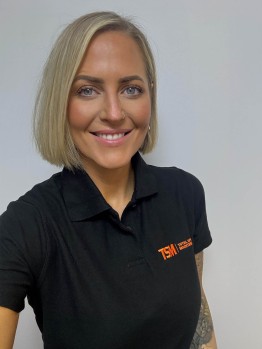
Suzanne reflects:
“Based on first-hand experience, construction in the UK has definitely progressed and is ahead of many countries in recognising and promoting women’s contributions. In some countries, representation lags far behind the UK, but even here, outdated attitudes still persist, especially in more technical environments where women often feel they must work harder to be viewed as credible. There is still some way to go before fair representation becomes the norm. Progress depends on organisations valuing expertise and performance over assumption.”
She adds:
“When women are visible in technical, commercial and operational roles, it helps modernise the perception of construction. It shows the industry is open, evolving and driven by capability. That matters to the next generation.”
Suzanne has a natural inclination to get stuck into new challenges when they come along. Alongside her main responsibilities, she recently ventured into the less familiar world of interior design, overseeing the upgrade of the reception area at TSM’s HQ with a contemporary scheme that gives the space a more modern welcome. The results suggest she could easily have a future as a designer, but thankfully Suzanne still loves what she does at TSM!
Building an industry where women can progress
With the UK construction sector facing a predicted skills shortage of more than 250,000 roles by 2027 (CITB), the industry must draw talent from the widest possible pool. Increasing regulatory pressures, new technologies and shifting client expectations only reinforce the need for diverse skills and perspectives.
To accelerate meaningful progress, the industry must challenge outdated perceptions and support women’s progression into senior, commercial and strategic roles. It must highlight visible female role models across all disciplines and create environments where women can build long-term, fulfilling careers.
The contributions of leaders like Natalie and Suzanne illustrate how women are helping to shape the industry’s future, not through tokenism, but through the practical, valuable work they deliver in keeping businesses running, evolving and competitive. Their careers demonstrate what becomes possible when women are supported, visible and empowered to lead within construction.